Creating a Nursery with Joyful Art That Reflects Black Childhood
Why Representation Matters in a Nursery
A nursery is more than a room with a crib and a changing table. It is the first space a child experiences as their own, filled with shapes, colors, and images that shape how they see themselves and the world. When the artwork in that room includes faces that look like them, stories that mirror their own, and joy that feels familiar, it sends a quiet but powerful message: you belong here, your story matters, and your world is full of beauty.
For Black children, seeing themselves in the art around them from the very beginning can build confidence, curiosity, and a sense of pride. The good news is that decorating a nursery with representative, joyful artwork does not require a big budget or a design degree. It takes a bit of thought, a willingness to look beyond the usual mass-produced prints, and a focus on what brings a smile to both you and your little one.
Step One: Choose Art That Tells a Story
The first step is to look for pieces that do more than just match the paint color. Seek out artwork that captures moments of everyday Black childhood: a child playing in the sunshine, a family reading together, a toddler reaching for a butterfly. These scenes do not need to be elaborate or dramatic. In fact, the most powerful images are often the quiet ones that show ordinary joy, curiosity, and love.
When you browse for Black children art, pay attention to the expressions. Are the children smiling, thinking, exploring? Art that shows a range of emotions helps a child understand that all feelings are valid. Watch for pieces where the child is the subject, not just a background figure. The artwork should center the child's experience, not treat it as an afterthought.
What to Watch For
- Faces that are expressive and warm, not generic or stiff.
- Scenes that feel true to daily life, not overly staged or sentimental.
- Artists who clearly understand and celebrate Black childhood, not just those who add a brown skin tone to a standard pose.
If you find a piece that makes you stop and smile, that is often a good sign. Trust your gut. The artwork you choose will be seen every day, so it should feel right to you.
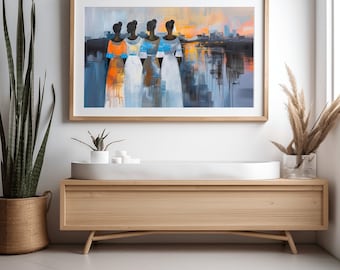
Step Two: Think About Print Size and Placement
Once you have a few pieces in mind, consider where they will go in the room. A nursery is a small space with a lot of furniture, so size matters. A single large print above the crib or the changing table can become the focal point of the room. It draws the eye and sets the tone. Smaller prints work well in a cluster near the rocking chair or on a wall the child will see from their play mat.
A common mistake is hanging artwork too high. In a nursery, the child will be on the floor, in a crib, or in a bouncer for much of the first two years. Placing art at their eye level, or slightly above, makes it a part of their visual world. You can always move pieces higher as they grow. For now, let the art be something they can look at and eventually point to, maybe even name the colors or characters they see.
Watch out for frames that are heavy or have sharp corners. Lightweight acrylic or wood frames with rounded edges are safer and easier to hang. If you are using posters or unframed prints, consider mounting them on foam core or using washi tape for a temporary, damage-free display that you can swap out as your child's tastes change.
Step Three: Mix and Match with Intention
A nursery does not need to look like a gallery. In fact, a mix of styles, mediums, and sizes often feels more personal and welcoming. Combine a canvas print of a child dancing with a framed poster of a Black historical figure, or pair a bright, abstract piece with a gentle watercolor of a family scene. The key is to keep the overall feeling joyful and cohesive, not chaotic.
One way to tie different pieces together is through color. If your nursery has a soft, neutral palette, choose artwork that introduces pops of warm tones like coral, mustard, or teal. If the room is already colorful, look for black-and-white prints or pieces with a lot of white space to balance the energy. The goal is to create a visual rhythm that feels calm and happy at the same time.
You can also mix in non-traditional art: a fabric wall hanging, a wooden carving, a colorful mobile made from felt. These add texture and depth, and they keep the room from feeling flat. Just make sure everything is securely attached and out of reach of tiny hands that might pull or tug.
Step Four: Create a Gallery Wall That Grows
A gallery arrangement is a wonderful way to display multiple pieces without overwhelming the room. Start with a central image you love, then build outward. Symmetrical grids work well for a formal look, but a more organic, asymmetrical layout can feel playful and childlike. Use paper templates cut to the size of your frames and tape them to the wall first. This lets you step back, adjust spacing, and make sure the arrangement feels balanced before you hammer a single nail.
For a gallery wall in a nursery, leave a few empty frames or swap spaces for future pieces. As your child grows, you can add their own drawings or photographs, creating a living collection that evolves with them. This approach keeps the room from feeling stuck in time and lets your child see their own creative work honored alongside the art you chose for them.
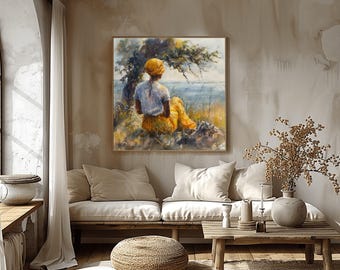
One practical tip: use the same color frames or matting to unify a mixed set of prints. This creates a clean, intentional look even when the images themselves are very different. Black, white, or natural wood frames work well in most nurseries and let the artwork itself stand out.
Step Five: Consider the Emotional Tone of Each Piece
Not all joyful art is loud. Some of the most beautiful Black children art is quiet, contemplative, and calm. Think about the mood you want the room to have during different times of day. A bright, energetic print near the play area can encourage active play, while a softer, more soothing image near the crib can help wind down at nap time. This kind of zoning is simple but effective.
Check the faces in the artwork. Are they relaxed, happy, curious? Avoid pieces where the child looks sad, scared, or overly serious, even if the art is well done. The nursery should be a sanctuary of safety and warmth, and the images in it should reinforce that feeling. You can always add more complex or thought-provoking art when the child is older and can talk about it.
If you are unsure about a piece, live with a digital mockup for a few days. Many online marketplaces allow you to preview art on a wall using augmented reality tools. This can save you from buying something that looks perfect on a screen but feels wrong in the actual room.
Step Six: Source Art Thoughtfully
Where you look matters as much as what you choose. The best places to find authentic, joyful Black children art are often independent artists and small shops that specialize in culturally representative work. These creators are not just adding diversity as an afterthought; they are making art from lived experience and genuine love for the subject.
One place to explore is Etsy, where many Black artists and small businesses sell prints, canvas art, and posters that celebrate Black childhood in all its forms. You can search by specific themes, like "Black toddler art" or "African American nursery decor," and find pieces that feel personal and original. The variety of styles, from realistic portraits to whimsical illustrations, means you can find something that fits your taste exactly. Just be sure to read the shop policies and check the print sizes carefully before you order.
Beyond online marketplaces, look at local art fairs, community galleries, and social media platforms where artists share their work. Following Black illustrators and designers can give you a steady stream of ideas and help you discover new pieces before they become widely known. The goal is to build a collection that feels curated, not random, and that genuinely reflects the beauty of Black childhood.
Step Seven: Let the Room Breathe
Once you have chosen and hung your artwork, step back and look at the room as a whole. Does it feel busy or calm? Are there clear spots where the eye can rest? A nursery with too much on the walls can feel overwhelming for both you and the baby. Leave some empty wall space, especially near the crib and the changing table, where the child will spend a lot of time looking around.
You can always add more later. In fact, letting the room grow with your child is part of the joy. Start with a few key pieces that you absolutely love, then add as you find new treasures. This keeps the space from feeling cluttered and gives each piece room to be seen and appreciated.
One final thought: the best nursery art is art that makes you happy. Your child will pick up on your emotions, so if you feel a sense of warmth and pride when you look at the walls, they will feel it too. That shared joy is the real point of decorating with representative artwork. It is not about perfection; it is about presence, love, and the quiet promise that this room is theirs.